Guides Distressed Properties: Opportunities and Risks
Investing in distressed properties can be both exciting and challenging. It is important to understand what qualifies a property as ‘distressed’ and why these opportunities arise.
What Are Distressed Properties?
I’m often asked two questions: What are distressed properties? and should I be looking at them?
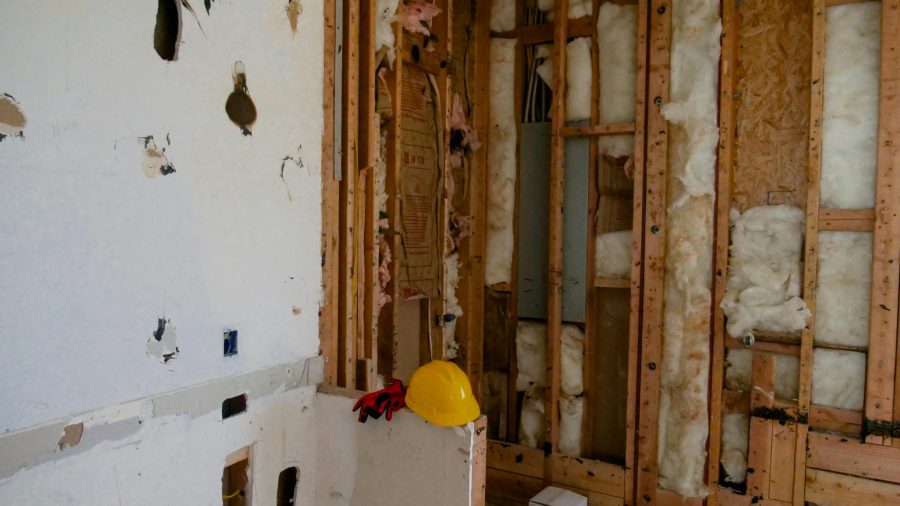
The short answer is that distressed properties are assets that, for one reason or another, have run into trouble. This could be a half-renovated house where the owner ran out of money or had personal challenges, or a large-scale development where the developer has gone into administration, leaving the project unfinished.
Because of these circumstances, distressed properties often hit the market at a discount, giving savvy investors the opportunity to step in, complete the project, and unlock value. However, as with anything in property, the rewards come with risks.
What Counts as a Distressed Property?
Distressed properties can take many forms, including:
- Individual homes: Partially renovated houses where the previous owner couldn’t finish the work.
- Large developments: Blocks of apartments or mixed-use projects where the developer has gone into administration.
For example, in recent years I’ve purchased several large, distressed assets. One of the most notable was 150 flats on Ipswich Waterfront, which had stalled after the original developer went into receivership. I’m also currently working on another 85-flat development in a similar situation, along with several smaller schemes throughout various parts of the UK.
The Risks of Investing in Distressed Properties
It’s important to stress that this type of investment is not for the faint-hearted. While the profit potential can be substantial, the risks are equally real:
- Substandard work: Renovations or construction may not meet building regulations or planning requirements.
- Hidden costs: Some of the work may have been done so poorly that it needs to be ripped out and started again.
- Uncertainty: Projects may involve legal, financial, or structural complications that only become apparent after purchase.
If you’re very risk-averse, distressed property investment may not be the right route for you.
Where to Find Distressed Properties
A common question I get asked is: Where do these opportunities come from? Distressed properties aren’t always easy to spot, finding them requires knowing the right channels to explore.
Here are some of the main routes:
- Asset managers: Many distressed properties are taken over by asset managers on behalf of lenders after repossession.
- Receivership and administration sales: Here, the priority is for the bank to recover funds, not necessarily to achieve market value. I’ve seen properties sell for half of what the bank was owed, or sometimes even less.
- Property auctions: If a property doesn’t sell on the open market, it often ends up at auction. While auctions can offer bargains, you need to do thorough due diligence beforehand.
Remember, knowledge is key. Understanding the history of the property and the problems it has faced will put you in the best position to assess the deal.
Final Thoughts
Distressed properties offer exciting opportunities for the right investor. But they come with challenges that shouldn’t be underestimated.
If you’re considering this route, my advice is simple: Do your due diligence, understand the risks before you exchange and uncover as much information as possible about the property and the work already completed.
Over the years, I’ve also acted on a consultancy basis for banks and property investors dealing with distressed assets. If this is an area you’re exploring and you’d like some guidance, I’d be happy to discuss how I can help. You can get in touch at info@johnhowardproperty.com
Happy hunting! And remember, risk and reward go hand in hand.

Free Property Resource Centre
Get access to all of our industry knowledge and curated resources for FREE
Latest Posts

Freehold vs Leasehold – Which is Best for Property Development?

The Real Cost of Planning Permission