Guides The Real Cost of Planning Permission
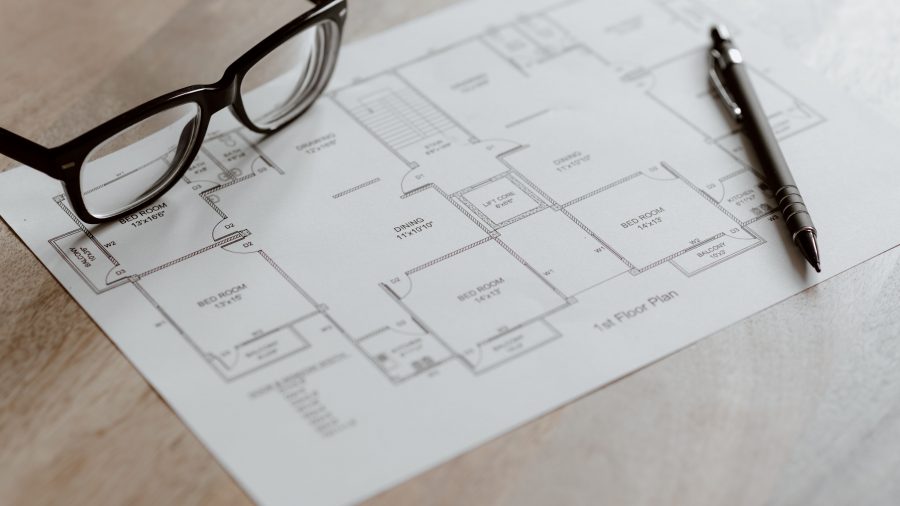
Planning permission is a commonly underestimated cost in property development.
It’s something I see time and time again. People come to my masterclasses with projects they’ve spent a great deal of time researching and costing. They’ve carefully calculated their build costs, finance and potential returns, but often haven’t allowed properly for the true cost of securing planning permission.
The reality is that securing planning permission can involve far more than simply submitting an application and paying the council’s fees. There can be a range of professional fees, surveys, reports and other costs involved, depending on the project and the site.
This means a project that looks profitable on paper can look very different once the true cost of obtaining planning permission is factored in.
In this blog, we’ll look at the costs you need to consider, the hidden costs of planning and the costs of potentially getting it wrong.
The Costs That Need to Be Considered
Many people assume planning permission mainly involves an architect and a planning consultant. In practice, most developments require input from a wide range of specialists before an application can even be validated.
Depending on the scheme, you may need:
- Ecology reports
- Flood risk assessments
- Highways input
- Archaeology (particularly on new-build sites)
- Sustainability statements
- Utilities reports
- Tree surveys and arboricultural advice
- Planning consultants
- Architects
Each of these adds time, complexity, and cost to the process, and they’re increasingly becoming standard requirements rather than exceptions, so it’s where the true cost of planning can start to add up.
Why Planning Costs Vary So Much
One of the biggest challenges when budgeting for planning is that there isn’t a standard cost that applies to every development.
The amount you spend can depend on the type of project, the location of the site and the issues that need to be considered as part of the application.
A simple extension may require relatively little specialist inputs, whereas a larger development may involve multiple hours, a wide range of surveys, reports and professional advice.
Typical Planning Costs on Smaller Schemes
Even on relatively modest developments, planning costs can be significant.
From our own recent experience, we’re seeing costs in the region of:
- Conversions under 10 units or 10,000sqft (where there is no social housing requirement) are costing around £50,000 just to secure planning.
- Schemes between 9 and 20 units are typically costing closer to £75,000.
And that’s before Section 106 negotiations are finalised. Section 106 agreements can introduce additional costs and obligations, depending on the size, location and nature of the development.
Section 106 Contributions
Once planning is moving towards approval, the Section 106 agreement introduces another layer of cost.
Section 106 contributions are legal payments or tasks required from property developers by local councils to offset the local impact of a new building project.
On a recent scheme involving:
- 11 conversion units
- 5 new-build units (all social housing)
- 2 additional existing buildings
we were asked to make the following contributions:
- Community contribution: £27,000
- Parks and recreation: £88,000
- Archaeological contribution: £15,000
- Social housing provision: 30% of the overall development
The Viability Study Option
If planning obligations become too onerous, there is sometimes the option to submit a viability assessment to demonstrate that the scheme cannot
proceed as proposed.
However:
- This involves another consultant fee
- It can delay the start of the project by up to six months
- During that time, finance costs continue to accrue
When you’ve already spent 12 months securing planning, that additional delay can be
expensive and frustrating. So, while viability reviews can help, they are not a simple solution.
The Cost of Getting Planning Wrong
The cost of planning isn’t just about the money you spend on surveys, consultants and application fees. One of the biggest costs can come from getting the planning strategy wrong in the first place.
A project can look very attractive when you first assess it, but if you make the wrong assumptions about what can realistically be achieved on the site, the costs can quickly start to mount up.
There is also the risk of simply spending money on a planning application that was never likely to succeed. That is why understanding the planning potential of a site before you buy it is so important.
The only cost you truly control is the price you pay for the site, which is why getting the purchase price right has never been more important.
What This Means for The Purchase Price
All of this brings it back to one of the most important decisions in any development project, the price you pay for the site.
You can’t dictate how many surveys a site will require, what additional information the local authority may ask for, or how long the process will take. But what you can control is how much you are prepared to pay for the opportunity in the first place.
It’s important to make a note of all the costs involved, which can include:
- Build costs
- Finance costs
- Planning and professional fees
- Section 106 and other obligations
- Specialist surveys and reports
- Contingency
The better approach is to understand the planning potential, identify the likely costs and risks, and then work out what the site is actually worth to you.
If you’d like to learn more about planning, property development and making the most of the numbers, get in touch today.
Free Property Resource Centre
Get access to all of our industry knowledge and curated resources for FREE
Latest Posts
Freehold vs Leasehold – Which is Best for Property Development?


Distressed Properties: Opportunities and Risks